FATHERHOOD. WHERE DO I START?
Ever since I can remember, fatherhood has been a loaded term for me, and I have swayed to the extreme end of this conversation. I grew up without a father at an early age, before I could remember him, and was raised by a grandfather who was larger than life – superman, superhero, heroine and hero alike.
Before I wanted to be a father myself, I wanted to be just like my grandfather. So at an early age I began to hope to be, well, old. I saw in my grandfather all the positive traits I wanted to possess. He was creative, social, friendly, faithful, playful, and just sheer magic to be around. A true Renaissance man.
As I matured and began to have more logical space between my idealistic view of a man and thinking of concrete steps to becoming a father, I didn’t have the luck to have a wife or partner with whom to carry this dream forward. Friends and families would make sincere comments of how I would make a “good father someday.” I would hear this and feel partially fulfilled. I had good qualities needed to be a good father, yet I remained fatherless for years. After two failed marriages, I arrived at a place of acceptance. Being unmarried in my late 40s accelerated this process of acceptance.
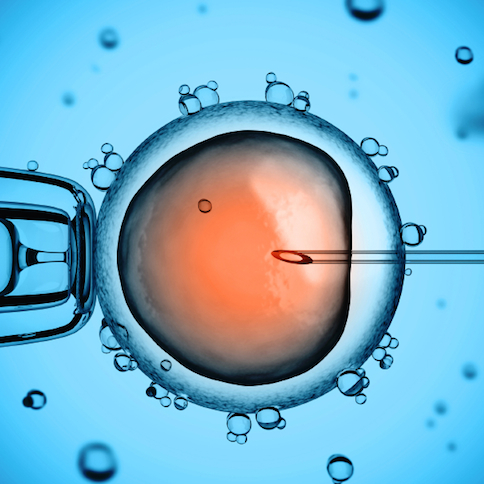
I was finally at peace with never becoming a father. But then I met my wife, and, through fertility treatment and countless setbacks, I was finally given the news: “You will be a father.”
This hit me slowly but heavily. I didn’t know how to react or what to think of it, but soon my active imagination envisioning myself with a baby (or two) became a real and natural form of thinking.
Fast forward to when I truly became a father, the birth of my twins, born prematurely at 29 weeks. Nothing seemed to come easy for me and now for my twins. I had to balance both excitement of being a new father with the sheer worry about their vulnerability. I was able to tap into my natural nurturing side and I found it comfortable and authentic to just be me and allow the needs and challenges to come and try to remain grateful that even this uncertainty of fatherhood is a blessing.
As a Filipino man, I never viewed myself through that identity. I connected to my “feminine/nurturing” side all my life, and rejected machismo as a shallow facade.
I lean on my faith and pray for the fatherhood skills I need. To my wife’s delight, I enjoy housework, I find washing dishes meditative and doing laundry emotionally cleansing. Finally, I get to use my honed skills to make our new lives as smooth as possible.
I no longer have my grandfather to call for advice, however my memory of him truly guided me in how to support my family, how to embrace hardship and how to accept the unknown courageously. I make no excuses and take 200% accountability, while maintaining a real joy for life.
I am truly excited, humbled and in awe of it all. In some mysterious way, not having a father growing up factored little to my reality now. Instead, I have the ability to look back and mark all the life lessons that I have been blessed with and tie it all up like a bouquet of flowers. It doesn’t matter where I put my bouquet of flowers. Flowers do not care; their focus is on just being a flower until it is no more.
Danielle M., LCSW, PMH-C, Seleni student and patient, shares how infertility, medical trauma, and an emergency hysterectomy reshaped both her personal healing and her work as a therapist.
Psychological interventions play a critical role in reducing infertility-related distress. This article explores research-backed therapeutic strategies (CBT, ACT, and mindfulness-based interventions) and how they help patients cope with the emotional toll of fertility treatment.
Learn how reproductive mental health professionals use evidence-based therapeutic approaches to support individuals and couples navigating infertility and why specialized training matters.
Infertility and pregnancy loss often create compounded grief and trauma. Explore how reproductive mental health professionals use CBT, ACT, narrative therapy, and grief counseling to help individuals heal and find meaning after loss.
When infertility leads to pregnancy loss, the grief can feel unbearable — a collision of heartbreaks that shakes one’s identity, purpose, and hope. Learn how reproductive mental health professionals help individuals process compounded grief, find meaning, and begin to heal.
Learn how reproductive mental health professionals help intended parents and gestational carriers build healthy, lasting relationships in surrogacy.
From donor screening to surrogacy, reproductive mental health professionals ensure family building is ethical, supported, and sustainable.
Reproductive mental health professionals are essential partners in fertility care, offering counseling, crisis support, and guidance through complex family-building decisions to improve patient outcomes.
Explore real patient stories, the psychological toll of infertility, and how providers can integrate mental health care to support the whole person, not just the diagnosis.