
Welcoming Shawna Vernisie to Our Clinical Advisory Board
We’re thrilled to welcome Shawna Vernisie, MHA, MA, LCAT, MT-BC, NICU-MT, PMH-C, to Seleni’s Clinical Advisory Board. Shawna is a Lead Creative Arts Therapist/Music Therapist in Neonatology and Maternal/Fetal Medicine at Cohen Children’s Medical Center, where she supports families through the intersection of mental health, music, and maternal-infant care. With advanced training in perinatal mental health and trauma-informed approaches, Shawna brings a unique perspective to how emotional wellbeing and family connection shape clinical outcomes.
Can you tell us about your professional background and what inspired your path toward creative arts therapy and perinatal mental health?
My path into music therapy and perinatal mental health is really personal. I was born prematurely at 36 weeks, just 3.6 pounds, and spent my first days as a NICU baby. Of course, I do not have cognitive memories of this time, but I grew up hearing the stories: my parents not being able to hold me, all the tubes and wires, the fear, and feeling completely alone in that experience. That stayed with me more than I realized at the time, and the part I connected to most was that my parents always made sure they read and sang to me. Music was there from the start.
Fast-forward to my career: I’ve spent 15 years in medical settings, supporting fragile infants and families who are vacillating between joy, fear, uncertainty, and sometimes profound loss. Music naturally became this bridge, a way for parents to destress, connect, and find even a few moments of comfort. As my work expanded into antepartum care, perinatal loss, and parental mental health, everything clicked. It felt as though my personal story and professional path were finally speaking the same language. Supporting parents through these moments isn’t just something I do; it’s something I feel called to.
Your work in the NICU focuses on supporting families during some of their most vulnerable moments. How has this shaped your understanding of perinatal and family mental health?
Working in the NICU has changed how I understand perinatal and family mental health in ways I didn’t expect when I first started. In this environment, I’m invited into unbelievably intimate moments—the kind most people never witness and would not be able to understand had you not been a part of them. I’ve been there for the first holds, when a parent finally places their baby on their chest and the whole world around them slows down. I’ve been there for final moments, as well, when music becomes the container that holds a family through something unimaginable.
Those experiences have taught me that music can be nice and soothing, but it is so much more profound than that. Music becomes a companion. It helps parents breathe when they feel overwhelmed, gives them a voice when they don’t know what to say, and creates a sense of grounding when everything around them feels uncertain.
Witnessing all of these moments up close has shown me just how layered and relational perinatal mental health really is. Music meets families exactly where they are, in the fear, in the grief, in the joy, and helps them feel connected. That’s shaped not just my understanding, but my entire approach to this work.
Seleni’s mission emphasizes bridging clinical expertise with empathy and accessibility. How do you see creative arts therapy complementing that vision in hospital or community settings?
Creative arts therapy fits with Seleni’s mission almost effortlessly. All the arts—music, art, drama, dance/movement, poetry—give people a way to express and understand what they’re going through that feels natural and humane.
From my understanding as a medical music therapist, hospital environments move at a rapid pace - think of a piece of classical music with rapid tempo, everchanging dynamics, and multiple layers of melodies occurring at the same time. There aren’t always spaces for individuals to pause, feel, or process (and this goes for patients and staff members alike). Music therapy inherently creates that pause, “rest and repeat.” It lets everyone exhale, reconnect with themselves, and make sense of their experiences without needing the “right” words.
The creative arts therapies tap into a part of us we tend to forget exists once we become an adult: that creative, curious side to us that we all had as children. When you invite that back into the perinatal experience, it can be incredibly grounding and cathartic. It supports the whole person (mind, body, and spirit) which is exactly in line with what Seleni is all about.
“When I first began exploring the PMH-C, I researched reputable organizations offering high-quality education in perinatal mental health. That’s when I discovered Seleni. I was immediately struck by their reputation and mission and knew I wanted to take a deeper look beyond the curtain.”
What drew you to Seleni’s work and inspired you to join the Clinical Advisory Board?
When I first began exploring the PMH-C certification, I researched reputable organizations offering high-quality education in perinatal mental health. That’s when I discovered Seleni. I was immediately struck by their reputation and mission and knew I wanted to take a deeper look beyond the curtain.
As I delved into Seleni’s mission, vision, values, and programs, I found myself deeply aligned with their approach. Their commitment to supporting birthing individuals and families through vulnerable, transformative moments resonated strongly with my own work in acute perinatal care. I quickly dove into their educational offerings and realized how closely my clinical experience as a music therapist aligned with Seleni’s mission.
Joining the Clinical Advisory Board felt like a natural next step, an opportunity to blend my clinical perspective with a broader community dedicated to advancing the field of perinatal mental health. I’m truly honored to contribute to an organization whose mission mirrors the heart of the work I do every day, and who respects and amplifies the work of creative arts therapists at large.
In your view, what role can organizations like Seleni play in strengthening the connection between behavioral health and maternal-infant care?
Organizations like Seleni play a critical role in strengthening the connection between behavioral health and maternal-infant care by creating high-quality, culturally responsive perinatal mental health education accessible to both healthcare providers and the broader community. These trainings help fill a longstanding gap in medical education, and their influence could extend even further into medical, nursing, and graduate programs where perinatal mental health is still underrepresented. By engaging physician practices, clinics, medical schools, and hospital systems directly, Seleni can continue to normalize and integrate mental health support within routine maternal-infant care.
Seleni’s commitment to evidence-based practice, along with their ability to support and disseminate meaningful research, also elevates clinical standards across disciplines. I’m especially hopeful about the continued inclusion of creative arts therapies within this work. Expanding research and education in these modalities, with Seleni’s support, would deepen the connection between emotional well-being, embodied care, and the lived experiences of birthing individuals and families.
You’ve led efforts to support parents and medical teams alike. How do you think provider education and workforce training, a key focus at Seleni, can advance compassionate, integrated care?
I’ve always believed that healthcare workers are lifelong learners, and as medicine evolves, our approaches to emotional and psychological support must evolve alongside it. I often think, nothing changes if nothing changes—and if we want care to look different and change the landscape for birthing individuals and their families, provider education is one of the strongest ways to create this meaningful change.
Seleni’s trainings are accessible, culturally responsive, and grounded in real-life clinical anecdotes, which fills critical gaps in perinatal mental health awareness. What I value most is their holistic framework, which includes a range of modalities, including creative arts therapies and wellness-based approaches, to support truly integrated, compassionate, and empathetic care. By broadening providers’ perspectives and strengthening their skill sets, Seleni helps the workforce show up more fully for families during their most vulnerable moments.
Which Seleni training has resonated most with you and why?
The Seleni training that resonated most deeply with me was the Perinatal Loss and Grief course. Because I work closely with our labor and delivery team and am often involved in cases of acute loss, this training directly reflected the realities of my day-to-day clinical work. It offered a thoughtful framework for assessing and supporting families through grief, while also strengthening my understanding of how to navigate these therapeutic relationships with sensitivity and compassion. I particularly valued the way the course approached loss through a culturally supportive lens, providing both validation and practical tools that have meaningfully informed my practice.
Looking ahead, what are you most passionate about contributing to women’s mental health, and how does this align with your goals as a member of Seleni’s Clinical Advisory Board?
Looking ahead, I’m most passionate about contributing to meaningful research that elevates the role of music therapy within acute perinatal medical settings. There is such a profound need to further highlight how mental health care and medical care are not separate entities; the binary simply just doesn’t reflect the lived experiences of birthing individuals! Women’s health requires a whole-person, integrated perspective, and I’m committed to helping build the evidence base that supports that shift, uniquely through the lens of creative arts therapies.
As a member of Seleni’s Clinical Advisory Board, I’m beyond honored to have a seat at the table with others who share this commitment. I’m excited to collaborate, exchange expertise, and help inform practices that strengthen perinatal mental health and women’s health more broadly. Joining this board feels like a deeply meaningful opportunity to contribute to change I wholeheartedly believe in, and I’m profoundly grateful for it!
What gives you hope for the future of maternal and family mental health care?
What gives me hope for the future of maternal and family mental health care is the growing openness, visibility, and collective commitment to this work. Organizations like Seleni—combined with the broader cultural push to talk more honestly about women’s mental health—are helping to dismantle stigma and create space for real conversations. When individuals feel empowered to share their experiences and stories, it not only validates their own journeys but also fuels meaningful, lasting change. And that change doesn’t happen only at the macro level. It occurs in the mini and micro moments too, in clinics, hospital rooms, community programs, and everyday interactions. Seeing momentum build across all of these levels makes me deeply hopeful. We’re moving in the right direction, and I’m excited to witness how maternal and family mental health continues to grow, evolve, and strengthen in the years ahead!
We’re honored to have Shawna’s voice, leadership, and vision helping guide Seleni’s mission. Her expertise represents the kind of compassionate, interdisciplinary collaboration that drives meaningful change in maternal and family mental health.
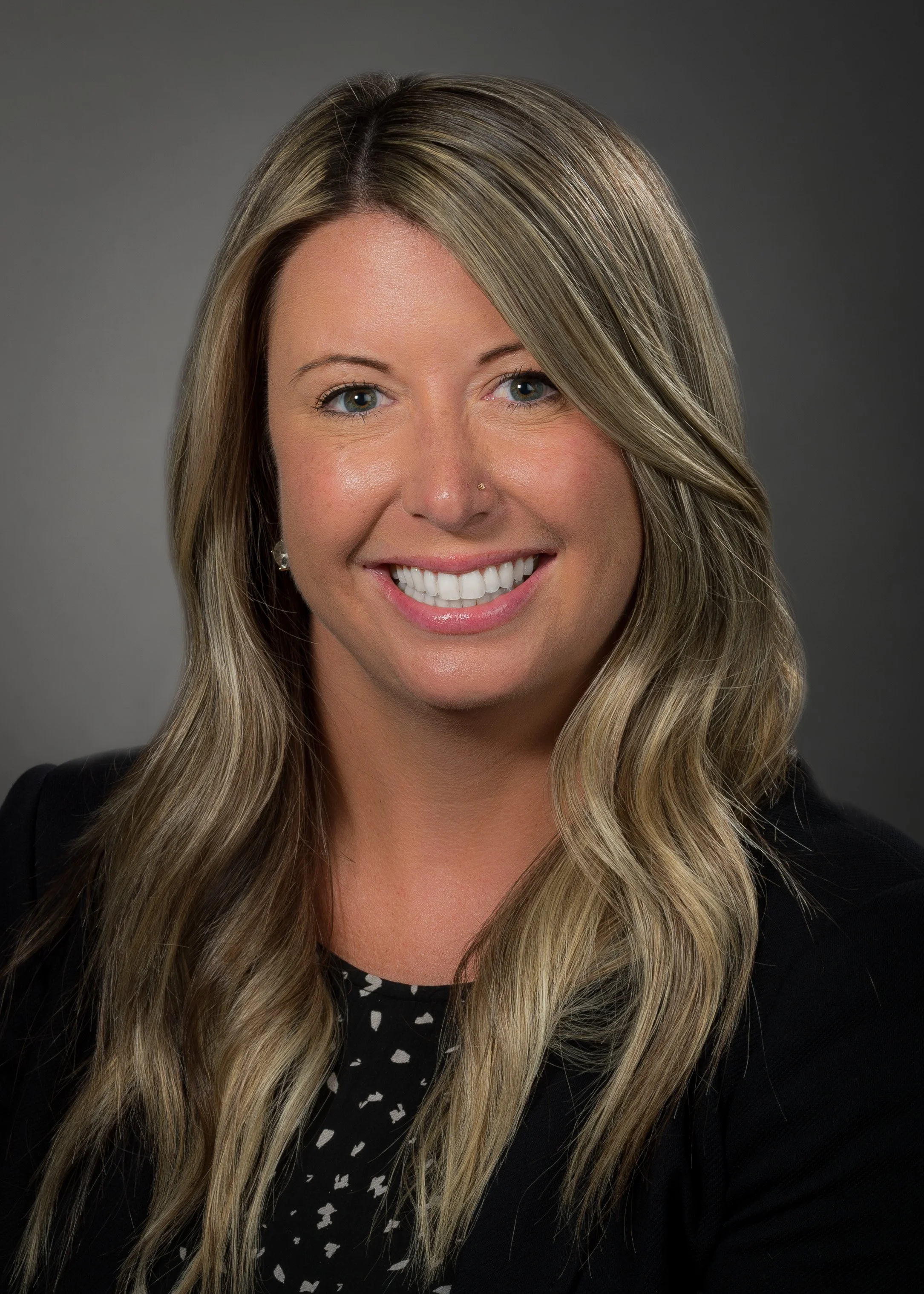
Shawna Vernisie
Fact that might surprise people: Shawna was a NICU baby herself, born at 36 weeks and just 3.6 lbs. Her parents read and sang to her during those early days, which later became the foundation of her calling as a music therapist.
Shawna’s approach to care: She describes hospital life through a musical lens, comparing clinical environments to rapid, layered classical compositions, and uses music therapy to create “the pause” patients and staff need to breathe, reconnect, and process.
On which Seleni training resonated most: “Perinatal Loss and Grief because I work closely with our labor and delivery team and am often involved in cases of acute loss. It directly reflected the realities of my day-to-day clinical work and offered a thoughtful framework for assessing and supporting families through grief while also strengthening my understanding of how to navigate these therapeutic relationships with sensitivity and compassion.”
