
The Seleni Institute is pleased to welcome Courtney O’Brien, PhD to our Clinical Advisory Board. Dr. O’Brien is a clinical psychologist and Clinical Assistant Professor in the Department of Psychiatry and Behavioral Health at Stony Brook University School of Medicine. Her work focuses on integrated behavioral health care and the mental health needs of individuals during the perinatal period, with specialized expertise in infertility, pregnancy and early infant loss, and reproductive mental health.
In this conversation, Dr. O’Brien reflects on how her personal and professional experiences shaped her path into perinatal mental health, the importance of integrating behavioral health into medical care, and where she sees the greatest opportunities to improve support for childbearing individuals and families.
What initially drew you to focus your clinical work on the perinatal population, and how has that passion evolved over the past decade?
I think, like most people, I was drawn to the perinatal population as I was in that phase of my life! I had been going through my own challenges with infertility, and subsequently losses, and became so passionate about understanding the mental health needs, and needs more generally, of those in the perinatal period. As my professional development, and personal experiences, progressed, the impact that education, support and skills have had in helping others heal from trauma, draw from strength they had not realized, and find joy in this phase of life has solidified for me that this is the work I was meant to do.
You have extensive experience in integrated care settings. How does integrating mental health into medical environments improve outcomes for pregnant and postpartum patients?
I think it is about creating a path for communication and person-centered care. If medical providers don’t know what questions they should be asking or feel confident in their ability to respond to and support a patient once the door is opened, there are so many missed opportunities to build open, trusting relationships.
I think it is only through these relationships that patients get the care they need (and deserve!), without fear of stigma. I also believe that it is two-sided. I believe that this not only benefits patient outcomes, but also allows providers less burnt out and more fulfilled in the work that they do.
As a PMH-C certified psychologist, what do you see as the most pressing gaps in perinatal mental health care today?
What stands out immediately to me when I see this question is access to quality care. There is such a shortage when it comes to mental health services, but also specifically for providers who have specialized training in these nuanced areas of mental health.
Having this training, and the passion that comes with seeking out training in this area, makes such a difference when it comes to the quality of care that childbearing people deserve. I hope to build awareness that such trainings exist so that we can build a larger network of providers, but also to provide education to patients that there are additional services available (peer-to-peer programs, skill-based groups, support-based groups, online communities) to enhance access to information and support without delay.
“Being able to carry the weight alongside of that person, to allow them to share their story, to feel seen, to tell me about their child, to grieve the loss of hopes and dreams, is so meaningful – for them and for me!”
You specialize in infertility and pregnancy or early infant loss, including Termination for Medical Reasons. What do you wish more providers understood about the emotional complexity of these experiences?
Infertility and early infant loss is so heavy. It is heavy for the families going through this, but is also for the providers who care for them. I wish more providers understood that just sitting in that space alongside their patients is so powerful. Oftentimes we may feel helpless, or even uncomfortable when losses bring up our own experiences (in the fertility space or otherwise), so we try to offer hope and reassurances that the person may not be ready for. Being able to carry the weight alongside of that person, to allow them to share their story, to feel seen, to tell me about their child, to grieve the loss of hopes and dreams, is so meaningful – for them and for me!
I would also want providers to understand that it is so important to understand what that loss means from the patient’s perspective, regardless of how far along in the pregnancy that person may have been. Be aware of your own assumptions and be willing to let go of them as you approach each individual with an authentic desire to understand and care for them in this moment.
In your clinical work, how do you support both the individual and the broader family system during the perinatal period?
I am always very curious when I meet with individuals who they consider to be part of their support system. Sometimes this is family, sometimes it is not! Regardless of who they identify, I encourage them to be vulnerable enough to reach out. So often even those closest to us do not even realize how much we are struggling. There is so much pressure to be “glowing” during pregnancy and grateful in the bliss of motherhood once the baby has arrived, when the reality is that there is room for gratitude and love and also for exhaustion, frustration, anxiety and a whole range of emotions. Once I understand the role each person plays in this support system, we discuss effective communication and even consider whether welcoming that person into the treatment setting would be beneficial for the whole family system.
You’ve been a strong advocate for childbearing people, including hosting a Climb Out of the Darkness event. What role does advocacy play alongside clinical care in advancing maternal mental health?
Increasing access to information and support hinges upon understanding and awareness, for those in the perinatal period as well as for providers! Hosting a Climb Out of the Darkness event was a big deal for me! I am naturally a bit more introverted, but my desire to share my own experiences to reduce stigma, raise awareness, and build connections within the community (to a range of providers that support health and well-being as well as between childbearing people sharing similar experiences), felt too important not to stand up for. I think that without people taking risks, and speaking up at all different levels, there is no change in a space where it is critically needed.
What trends are you seeing in how patients are talking about perinatal mental health compared to 10 years ago?
I am so proud of the traction I am starting to see. Even in the last 10 years, I am seeing people speak up about their experiences with losses, perinatal mental health, and with the challenges of motherhood to a much greater extent than what I had experienced when I was starting my own journey of trying to conceive.
Though the experiences of celebrities such as Chrissy Teigen, Jennifer Lawrence, Adele and so many others are common, these disclosures have opened conversations that I feel are so welcome and necessary. What I have found is that once one person shares, they are so surprised to see others chiming in about their own experiences. This organic disclosure helps to normalize this experience, reducing shame, and encouraging those affected that getting help is wonderful and that there is a path to enjoying life more fully again.
As a small aside, I also love the increased awareness when it comes to perinatal anxiety, which affects so many childbearing people that they were not aware of and had previously been reluctant to disclose to their providers for fear of being labeled “crazy” or a “bad mom.”
“I chose to join the Seleni Clinical Advisory Board in hopes of broadening the impact I can make when it comes to both education and clinical services.”
Which Seleni training is your favorite and why?
Complex Conversations in Healthcare! I found myself audibly saying ‘Yes!’ alone in my room while listening to the chapters. The way information is delivered during pregnancy complications or loss can either add to trauma or serve as a protective factor. Knowing there is training available to support better outcomes—both conceptually and through practical skills—is incredibly exciting. Everyone would benefit.
Why did you choose to join the Seleni Clinical Advisory Board, and where do you see the greatest opportunity for impact?
I chose to join Seleni’s Clinical Advisory Board in hopes of broadening the impact I can make when it comes to both education and clinical services. Whether it is helping to develop training materials, enhancing community engagement, or any other services, I hope to be part of a movement that supports women and families. I am also excited to be inspired by the ideas and work of the other board members that I admire!
How does Seleni’s mission resonate with your own professional values and long-term vision for maternal and family mental health?
As I close out the childbearing phase of my life, I love that the vision of Seleni is rooted in comprehensive, compassionate, person-centered care for individuals across the reproductive life span. With the increasing focus on women’s health and life “beyond babies,” I am excited to deepen my work caring for individuals in the perinatal space, but also expand into the challenges that come, biologically as well as social and family dynamics, as we move into perimenopause and menopause.
Dr. O’Brien’s dedication to compassionate, person-centered care and her expertise in integrated behavioral health strengthen the mission of the Seleni Institute to transform mental health care across the reproductive life span.
As a member of Seleni’s Clinical Advisory Board, she will help guide efforts to expand access to specialized education, training, and clinical resources for providers supporting individuals and families during fertility treatment, pregnancy, postpartum, and beyond.
We are honored to welcome Dr. O’Brien to the board and look forward to collaborating with her to advance maternal mental health care and education.
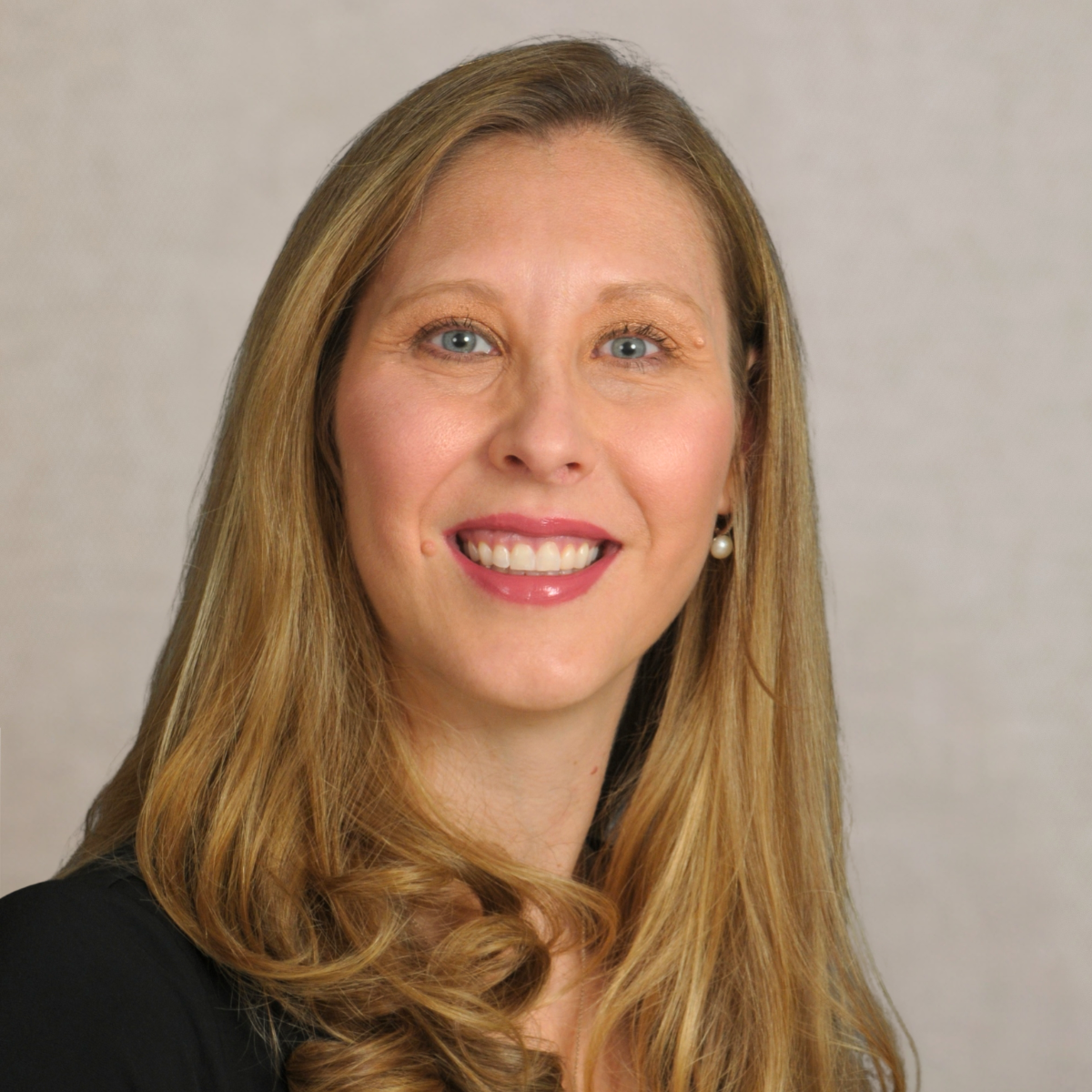
Dr. Courtney O’Brien, PhD, PMH-C
Clinical Expertise
Specializes in infertility, pregnancy loss, and perinatal mental health
Certified in Perinatal Mental Health (PMH-C)
Certified in Cognitive Behavioral Therapy for Insomnia
Training & Education
Actively trains medical students, psychiatry residents, and psychology postdoctoral fellows
Program lead for the Motivational Interviewing Residency Training Program at Stony Brook Medicine
Clinical Philosophy: Emphasizes person-centered care, communication, and reducing stigma in perinatal mental health treatment
Favorite Seleni Training: “Complex Conversations in Healthcare! I found myself audibly saying “Yes!” alone in my room listening to the various chapters.”