
Meet Patricia Harteneck, PhD: Therapy for Reproductive Transitions, Anxiety, and Emotional Overwhelm
When life shifts—through infertility, pregnancy, postpartum adjustment, or unexpected changes in identity—the emotional impact can feel both isolating and overwhelming. At the Seleni Institute, Patricia Harteneck, PhD brings a steady, compassionate approach to supporting individuals and families through these profound transitions.
Reproductive and life transitions—such as infertility, pregnancy, postpartum adjustment, and identity shifts—can bring profound emotional challenges. Anxiety, grief, and a sense of disconnection often surface during these moments, even for individuals who appear high-functioning and resilient on the outside.
Patricia Harteneck, PhD, is a psychologist at the Seleni Institute who specializes in supporting individuals and families through these deeply vulnerable stages. In this Q&A, Dr. Harteneck shares what drew her to this work, how she approaches therapy, and what patients can expect when working with her.
Your work focuses on supporting individuals and families through pregnancy, postpartum, infertility, and other major reproductive life transitions. What initially drew you to this work, and what continues to motivate you today?
This work grew out of both my clinical path and my personal life. As a psychologist, I was always drawn to understanding emotional suffering—especially depression and anxiety—and I quickly saw how powerfully these show up around reproductive transitions. These are moments when identity, body, relationships, and future plans all collide at once.
But what truly anchored me in this field was going through reproductive challenges myself. Experiencing uncertainty and grief that can come with it gave me a deep empathy for what my patients live every day. What continues to motivate me today is witnessing how much relief and transformation can happen when people finally feel understood during these vulnerable stages.
How would you describe your therapeutic style to someone who has never been in therapy before?
I would describe my therapeutic style as a warm, collaborative conversation with purpose. It’s a space where the patient and I slow things down together and try to understand the reason for certain reactions, especially in moments when anxiety, sadness, or conflict take over.
Relationally, I pay close attention to the patterns that show up between the patient and other people (and sometimes even between the patient and me in the room). The way someone connects or feels misunderstood often appears in therapy too, and that becomes useful information rather than something to be judged.
“Insight-oriented” means I am curious about the patient’s inner world. Instead of just trying to “get rid” of anxiety or depression, I try to understand what the patient is communicating. Overall, my style is a mix of emotional support and meaningful self-reflection. My relational and insight-oriented approach works well for individuals who are curious about themselves, open to reflection, and willing to explore emotions, past experiences, and relationship patterns as part of meaningful and lasting change.
Based on your experience, what types of individuals or families tend to benefit most from working with you?
People who benefit most from working with me are those experiencing depression and anxiety, particularly when these symptoms are connected to chronic stress or burnout, major life or identity transitions, reproductive challenges, a sense of disconnection from meaning or purpose, or relational disappointment.
I am well-suited to support individuals navigating reproductive and family-building transitions, including infertility, pregnancy loss, pregnancy, postpartum adjustment, and the psychological impact of assisted reproductive treatments.
I also work effectively with highly sensitive, reflective, or emotionally perceptive individuals who experience emotions deeply and often internalize change; for them, transitions can feel especially destabilizing, and they benefit from a therapeutic space that honors their emotional depth while fostering resilience and clarity.
Many of my patients are high functioning but emotionally overwhelmed, anxious or sad. I also support individuals who feel stuck or powerless due to external circumstances; my work helps restore a sense of agency and emotional stability.
Finally, I am a strong fit for people who seek insight in addition to symptom relief; those who want to understand why they feel the way they do, not only how to manage distress.
“Therapy is not about performing or being a ‘good patient.’ It’s a space where you can show up exactly as you are.”
For someone considering therapy with you, what can they expect from their first session, both emotionally and practically?
The first session is usually a mix of curiosity and relief. Patients are often surprised by how quickly they feel understood. My goal in the first session is to help them feel safe enough to talk honestly. I focus on listening carefully to what has brought them and what feels most urgent or confusing right now. Hopefully, the first session feels structured enough to be grounding, but flexible enough to follow what feels most important in the moment.
My aim is that clients leave the first session feeling a bit more oriented, less alone with what they’re carrying, and with a sense that therapy can be a place where meaningful change is possible. My role is to help patients feel understood, not judged, and to create a space where difficult thoughts and feelings can be explored safely and compassionately.
Given that many of your patients are navigating vulnerability, loss, or uncertainty, how do you create a space that feels safe, supportive, and grounded from the start?
I start by slowing things down and listening carefully, so patients don’t feel rushed to “perform” or explain themselves perfectly. I try to convey that their reactions make sense in the context of what they’ve been through. I also focus on helping patients feel oriented and grounded early on. I validate their fears about being judged or misunderstood and making room for ambivalence, grief, and uncertainty without pushing too quickly toward solutions.
My relational and insight-oriented style allows us to pay attention not just to what they’re saying, but to how they’re experiencing things internally and in relationships. Over time, this helps patients feel less alone with their emotions and more anchored in their own understanding of what’s happening. My goal from the start is for therapy to feel like a place where their experience is held with care, consistency, and respect, and where they can begin to feel more grounded even while facing difficult transitions.
You often work with individuals who feel stuck or overwhelmed by complex emotions. What does meaningful progress in therapy look like in those moments?
Meaningful progress doesn’t mean suddenly feeling “better” or having everything resolved. It looks more like a subtle shift in how one is relating to their experience. When a person feels stuck or overwhelmed by complex emotions, progress often begins with being able to name what they’re feeling more clearly instead of just feeling flooded by it. Progress also shows up when patients start to hold their emotions with more compassion rather than judgment.
Over time, meaningful progress looks like increased flexibility, being able to tolerate uncertainty, make choices that feel more aligned with one’s values, and respond to stress with a little more agency rather than only reacting from fear or exhaustion. Even small shifts, like feeling less alone with your emotions, sleeping slightly better, or noticing patterns in relationships that were previously invisible can signal that something important is happening.
“I see therapy as a space to take one’s own experience seriously, even when others may have minimized it.”
What would you say to someone who’s considering therapy but isn’t sure their experience is “serious enough” to reach out for support?
I would tell them they don’t have to be in crisis, falling apart, or experiencing something extreme for their feelings to matter. The fact that something is weighing on them, confusing them, or affecting how they feel about themselves or their relationships is already reason enough to seek support.
Therapy is a place to make sense of uncertainty, loss, or emotional shifts before they become overwhelming. They don’t need to have a clear label for what they’re going through; feeling stuck, unsettled, or unsure is enough. I see therapy as a space to take one’s own experience seriously, even when others may have minimized it. Reaching out isn’t a sign that something is wrong with them; it’s a sign that they’re paying attention to what they’re carrying and allowing themselves the possibility of support.
If someone is reading this and wondering whether to take the first step, what would you want them to know before reaching out to schedule an appointment?
I would like them to know that feeling uncertain, hesitant, or even anxious about reaching out is very common. They don’t need to have everything figured out before beginning therapy. They don’t need a clear narrative or a specific goal, only a sense that something inside feels heavy, confusing, or unresolved. Therapy is not about performing or being a “good patient.” It is a space where they can show up as they are. Reaching out is not a sign of weakness or failure; it is often a sign of self-awareness and courage.
Dr. Harteneck is now accepting new clients for virtual therapy sessions. If you’re feeling overwhelmed, unsettled, or unsure whether therapy is “serious enough” to pursue, Dr. Harteneck emphasizes that you don’t need to be in crisis to seek support. Therapy can be a space to slow down, feel understood, and make sense of what you’re carrying, before it becomes heavier.
Considering support for anxiety, reproductive challenges, or a major life transition? Request an appointment with Dr. Harteneck today.
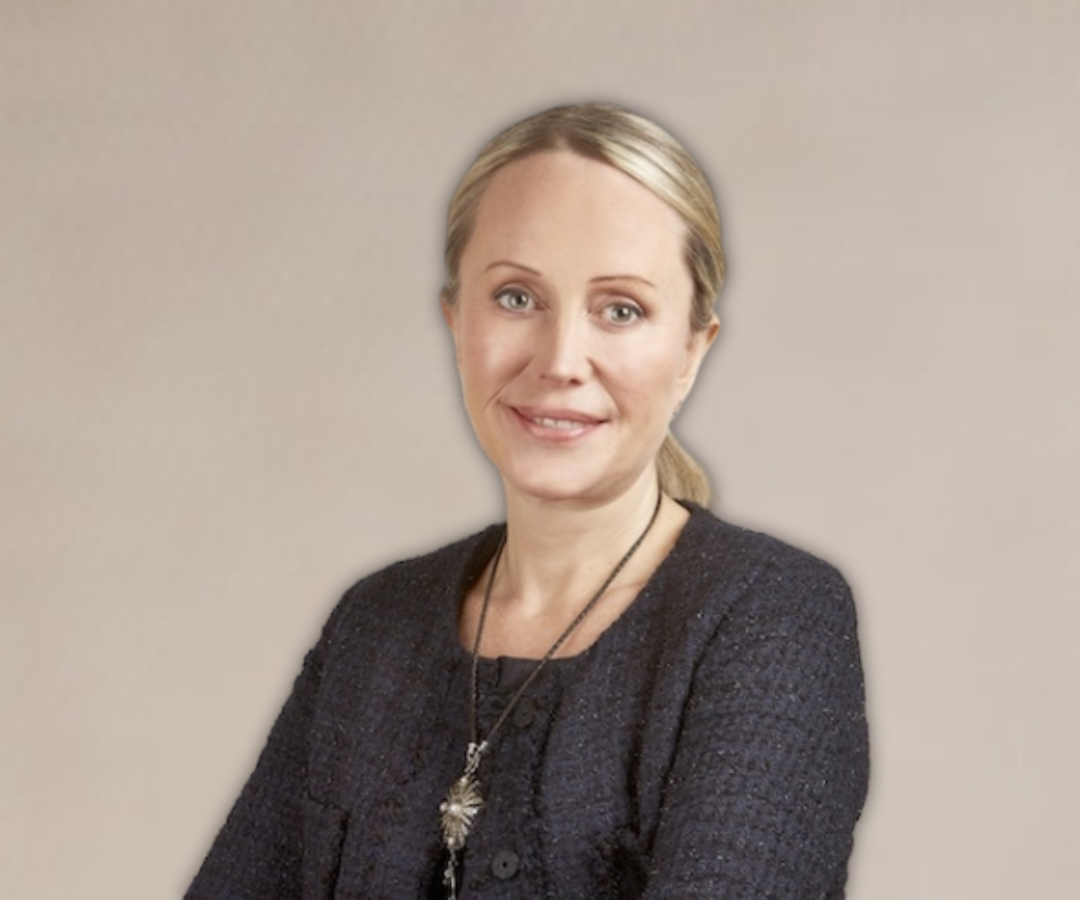
Patricia Harteneck, PhD, MBA
“Therapy is not about performing or being a ‘good patient.’ It’s a space where you can show up exactly as you are.”
Specialties: Depression and anxiety, adjustment disorders, PMADs, life and career transitions, infertility, and therapy for highly sensitive people
State licensure: New York
Languages: English, Spanish, French, German
